Hanoi Old Quarter Guide: What to See, Eat, and Avoid
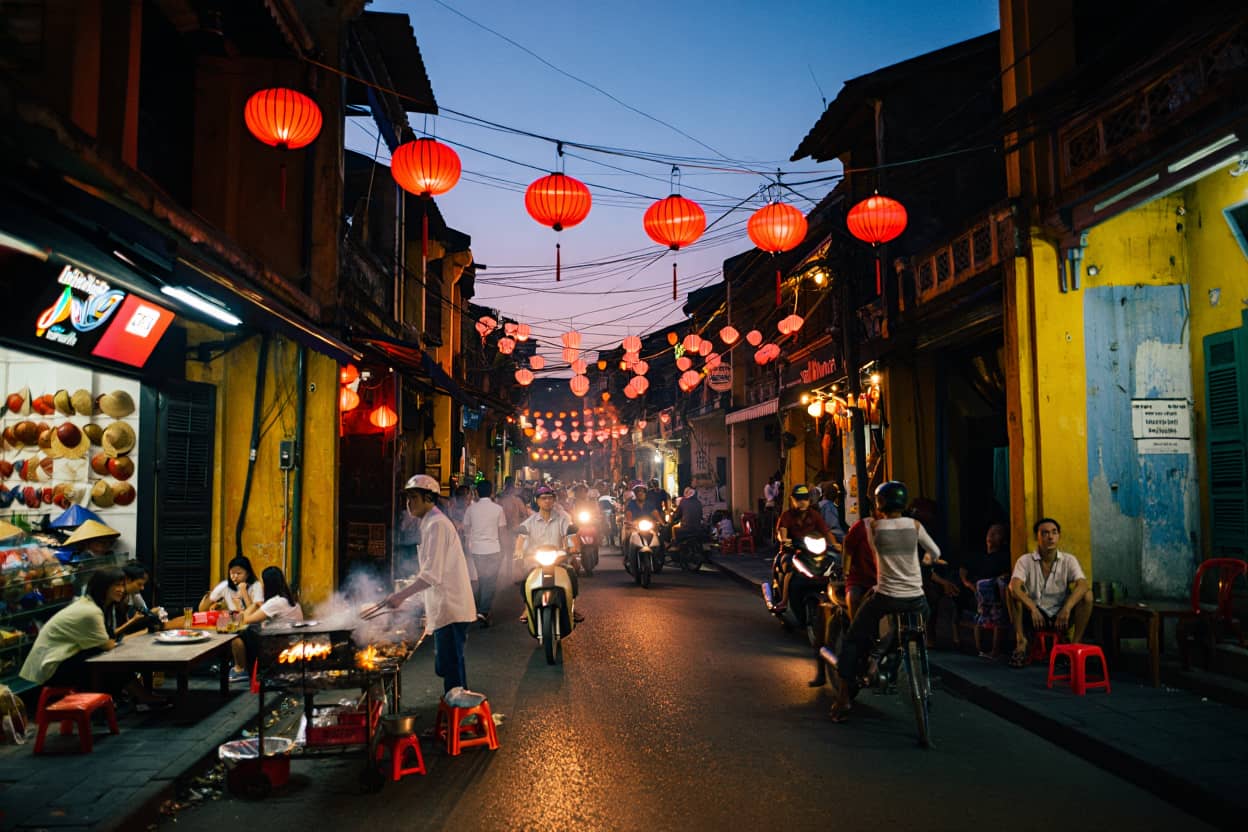
The Hanoi Old Quarter is the area many visitors imagine before they arrive: narrow streets, food stalls, motorbikes, shopfronts, cafes, market corners, and constant movement. It is also the place where many first-time visitors make their first planning mistake. They treat it as one attraction instead of a working neighborhood with layers of trade, tourism, local life, and traffic.
Vietnam’s official tourism site describes the Old Quarter as a compact historic area of 36 streets where many streets were historically linked to specific trades and crafts. That history still shapes the way the area feels today, even though modern shops, hotels, cafes, and tour offices now sit beside older commercial streets. The official Hanoi attraction guide is available at Vietnam.travel.
The best way to see the Old Quarter is on foot, but walking here does not mean relaxed pavement strolling. Sidewalks are often used for parked motorbikes, cooking, eating, and selling. You will frequently step into the road, then back to the side. Keep your movements predictable, cross slowly, and avoid sudden stops in traffic. If the traffic feels too much on the first hour, start near Hoan Kiem Lake and work inward street by street.
For a first route, begin at Hoan Kiem Lake, enter the Old Quarter near the northern side of the lake, and spend the morning moving through Hang Gai, Hang Bac, Ma May, and Hang Buom. This route gives you silk shops, silver-related street history, older houses, food lanes, and plenty of cafes. You do not need to follow the exact same streets. The Old Quarter is small enough to wander, but large enough to punish rushed planning.
Food is one of the main reasons to stay here. Hanoi classics include pho, bun cha, banh cuon, and egg coffee. A useful rule is to avoid choosing only by online ratings. Look for a place with steady local turnover, a focused menu, and food that is cooked or assembled in front of you. For more meal planning, use this site’s 2 days in Hanoi itinerary as a base.
What should you avoid? First, avoid overpacking the day. The Old Quarter is tiring because every small decision uses attention. Second, avoid assuming every “traditional” shop is old or local. Some are aimed mainly at tourists, which is fine if the price and quality make sense, but not every shop tells a deep cultural story. Third, avoid leaving transport plans until the last minute if you have a train, airport transfer, or tour pickup.
Evenings can be enjoyable, but they are not for everyone. Some streets become loud, especially near bar and weekend market areas. If you are sensitive to noise, stay slightly outside the busiest core. The hotel advice in where to stay in Hanoi matters most here because one street can be quiet while the next one is loud past midnight.
The Old Quarter is worth your time, but it is better approached with patience than with a rigid checklist. Walk early, eat one proper meal, drink coffee slowly, and leave space for small delays. That is how the area starts to make sense.